
OPEN HOUSE
Join us for an Open House!
Come see our classrooms, meet our teachers, and find out what a day at our school looks like.
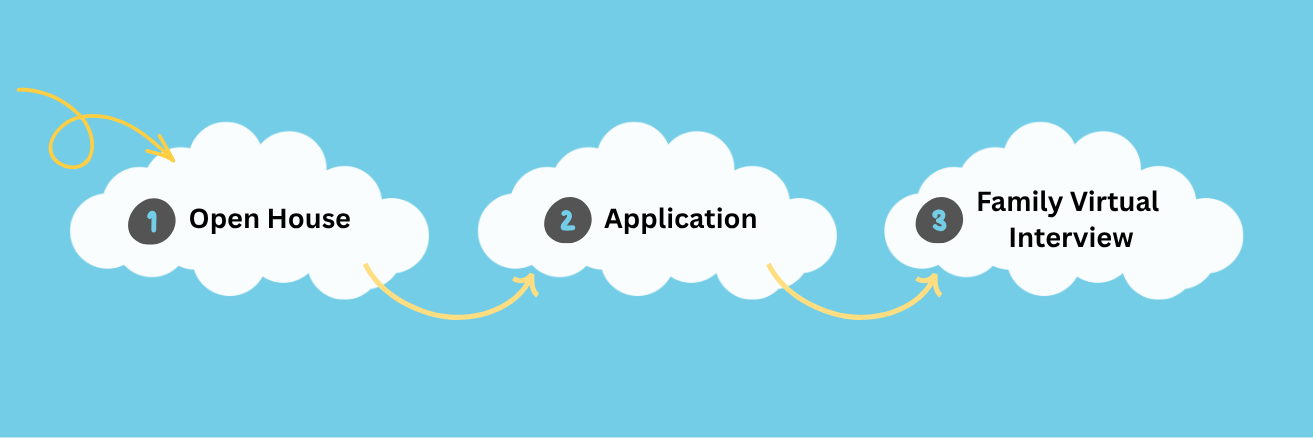
Our Enrollment Process
The Open House is the first step in our enrollment process
Visits are by appointment. Each tour lasts about forty-five minutes to one hour and is limited to three families per time slot, so you’ll have a relaxed chance to see our facilities and ask questions in person.
Before your visit, we recommend watching this video to learn about our preschool program.
Location: 238 St Marks Ave, Brooklyn, NY
Upcoming Dates
Spaces are limited. Click a date below to reserve your spot.
Monday Open House - 9:30am
Tuesday Open House - 9:30am
Wednesday Open House - 9:30am
Saturday Open House - 9:30am
Sunday Open House - 9:30am
オープンハウスのご案内
来年度プリスクールプログラムへの入園をご検討されているご家族を対象に St. Marks Ave の施設の見学会を開催致します。
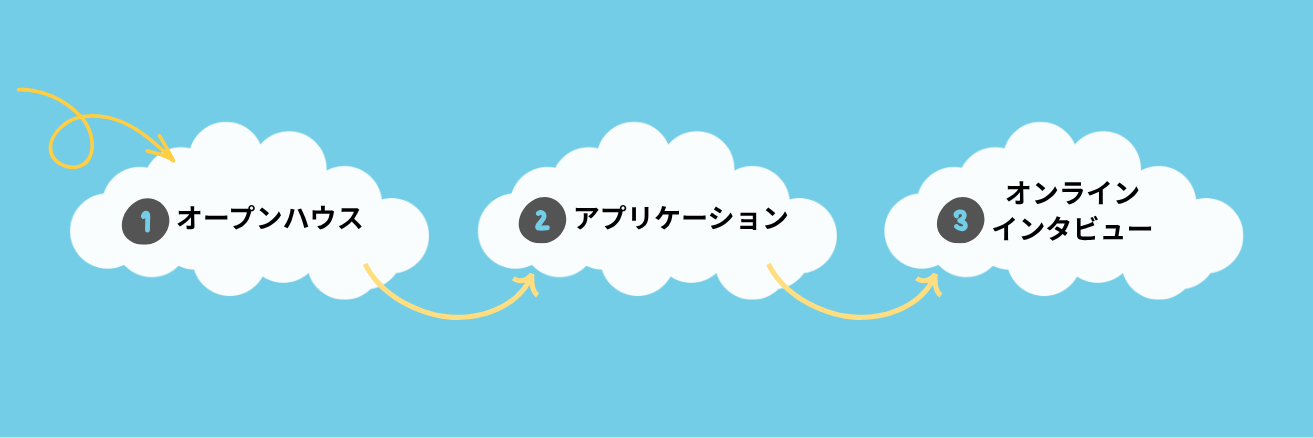
入園までの流れ
オープンハウスは、入園手続きの最初のステップです。
一つの時間枠(45分から1時間)につき3家族以下の少人数アポイントメント制で、当園の施設を実際にご視察いただくことができます。スタッフが園内をご案内し、ご質問等がございましたら回答させていただく形式となります。また、施設見学会の方は、プリスクールプログラムについてのこちらのビデオをご覧になってから参加されることをお勧めいたします。
場所: 238 St Marks Ave, Brooklyn, NY
日程
定員に限りがありますので、下記の日程をクリックしてご予約ください。
月曜日の見学会 午前9時30分から
火曜日の見学会 午前9時30分から
水曜日の見学会 午前9時30分から
土曜日の見学会 午前9時30分から
日曜日の見学会 午前9時30分から
Our Approach
to Teaching and Learning
-
Language & Culture
We are passionate about helping children build a warm, positive connection to Japanese language and culture. For children of Japanese heritage, our immersive environment provides meaningful cultural and language experiences that help them develop their cultural identity.
While we cherish Japanese culture and community, we also celebrate diversity. In our classrooms, we nurture cultural awareness, acceptance, and compassion for others from different backgrounds. As educators, we strive to be role models for a caring multicultural community, showing children how to respect and get along with people of all cultures, races, and religions.
-
Our curriculum is designed to spark and nurture children's natural curiosity. Through play, children explore a wide range of age-appropriate activities, including arts and crafts, music and movement, and science experiments, all as part of our whole-child approach.
Early math, science, and literacy concepts are introduced through hands-on, meaningful experiences, so learning feels natural and connected to children's everyday world. We are committed to creating an inspiring environment where every child can enjoy the joy of learning.
-
We believe every child is a unique learner, and our teachers take the time to understand each child's individual needs. Using a developmentally appropriate approach, we adapt our curriculum and lessons to fit the children in each group.
Learning topics are introduced in many different ways and woven throughout everyday activities. Our teachers carefully observe each child and gently adjust lessons and goals to match their strengths and needs, so that every child can grow and thrive.
-
Healthy eating is an important part of Japanese culture. Every day, we serve children a wholesome, nutritious Kyushoku (school lunch) and snack.
Each month, we bring food into our curriculum through hands-on activities that teach children to love and appreciate the food they eat and the people who make it. Our Kyushoku chef, Natsuko-sensei, also shares healthy eating tips with parents to help families bring these values and habits into their homes.
-
Weather permitting, we take children outside every day. Outdoor play is one of the most important times of the day for children’s wholesome and healthy development.
During outdoor play, children naturally explore more and take more calculated risks. It encourages both fine and gross motor skill development. Research shows that outdoor play supports the development of the brain and body, encouraging the entire body to become a tool for learning.
-
At Aozora Community, we care about the environment and our planet. We believe it is our responsibility to live in a way that has as little impact on our planet as possible.
Throughout their time at school, we help children build good habits that reduce the use of natural resources and the creation of trash, starting with small things we do every day. For example, we save electricity and water, separate garbage for recycling, and encourage families to use reusable wet bags instead of single-use plastic bags.